You reach for a scented pad because it smells fresh—clean, even. But that floral hint might be masking more than just odor. Are scented pads bad? For many, they’re a fast track to irritation, microbiome disruption, and long-term sensitivity. The solution isn’t avoidance—it’s awareness. Choose wisely, or switch strategically.
Why “Just a Little Fragrance” Backfires on Sensitive Skin
Fragrance in intimate care isn’t like perfume on your wrist. This is mucosal tissue—weaker barrier, higher absorption. One study found over 70% of women using scented feminine hygiene products reported itching, burning, or unusual discharge within weeks.
And manufacturers aren’t required to disclose “fragrance” ingredients—they hide dozens of chemicals under that single term. Phthalates. Aldehydes. Synthetic musks. None are skin-friendly near delicate zones.
How to Evaluate & Replace Scented Pads Safely
Step 1: Audit Your Current Routine
Check labels. If “fragrance,” “parfum,” or “aroma” appears—flag it. Even “naturally scented” can mean essential oils, which are still potent sensitizers in this context.
Step 2: Transition Gradually (Don’t Go Cold Turkey)
Your body adapts to what it knows. Switching abruptly from highly fragranced to zero-scent may feel “off” at first—not because it’s worse, but because you’ve been numbed by masking agents. Give it 2-3 cycles.
Step 3: Prioritize Breathability & pH Balance
Cotton > plastic-backed. pH 4.5–5.5 > “fresh burst” claims. Your vaginal ecosystem thrives in mild acidity—alkaline fragrances throw that off, inviting yeast or bacterial overgrowth.
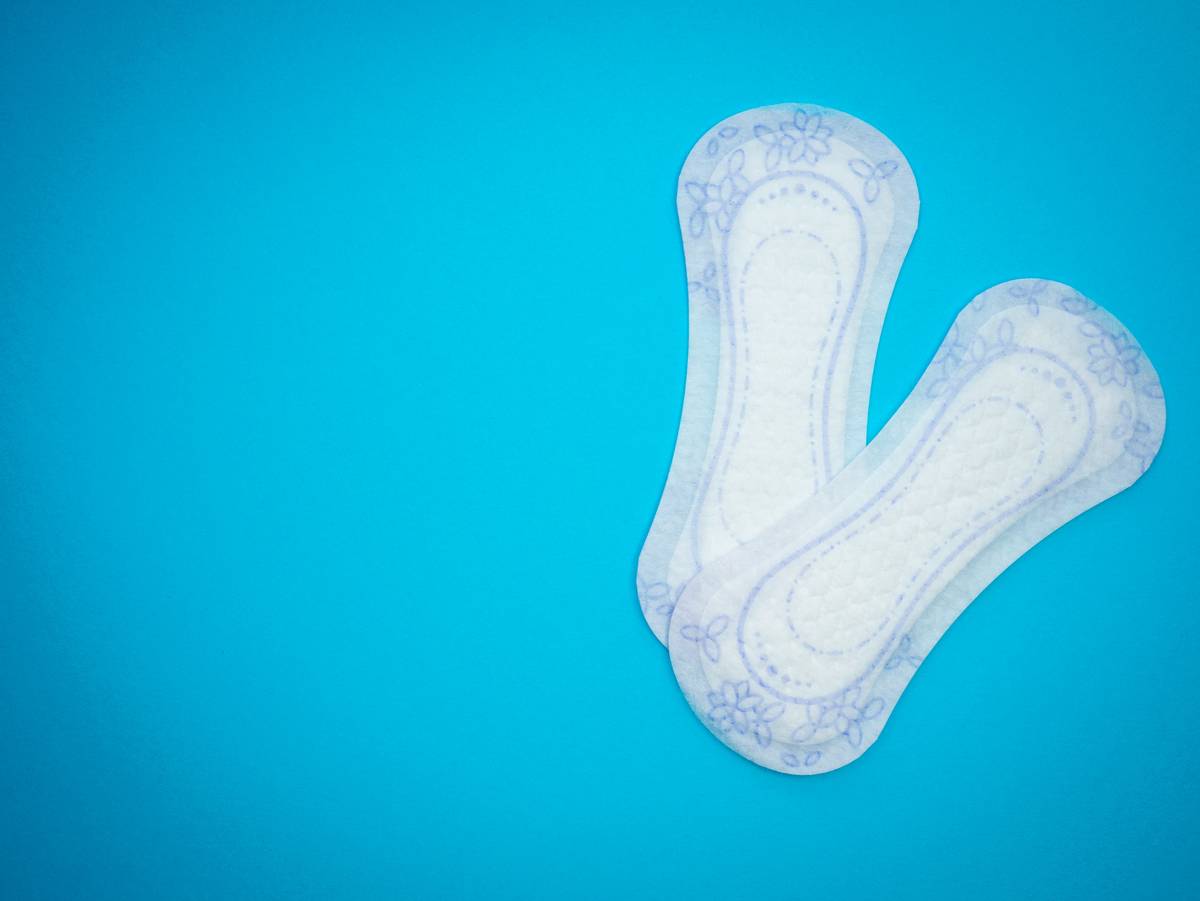
| Factor | Scented Pads | Unscented/PH-Balanced Pads |
|---|---|---|
| Fragrance Load | High (hidden blends) | None or plant-derived only |
| Irritation Risk | Significant (especially with recurring use) | Low to none |
| Microbiome Impact | Disruptive—alters natural flora | Neutral—supports balance |
| Average Cost per Cycle | $6–$9 | $5–$8 |
| Long-Term Skin Health | Potential for chronic sensitivity | Preserves barrier integrity |
The Industry Secret: “Fragrance” Is a Marketing Crutch
Here’s what brands won’t say: scent masks poor raw material quality. Cheap synthetics smell off—so they douse them in fragrance to sell “freshness.” Premium, medical-grade pads? They don’t need it. They rely on oxygen-cleansed cotton and closed-loop manufacturing. No cover-up required.
Think about it: hospitals don’t use scented pads for postpartum care. Why? Because when skin is vulnerable, purity beats perfume every time.
FAQ
Can scented pads cause yeast infections?
Yes. Fragrances alter vaginal pH, creating an environment where Candida overgrows. Repeated use increases risk significantly.
Are “natural” scented pads safer?
Not necessarily. Essential oils—even lavender or tea tree—can irritate mucosal tissue. Unscented is still the gold standard for sensitive areas.
What’s the best alternative to scented pads?
Look for 100% organic cotton, pH-balanced, fragrance-free pads with breathable backsheets. Brands like Myahec prioritize dermal safety without compromise.