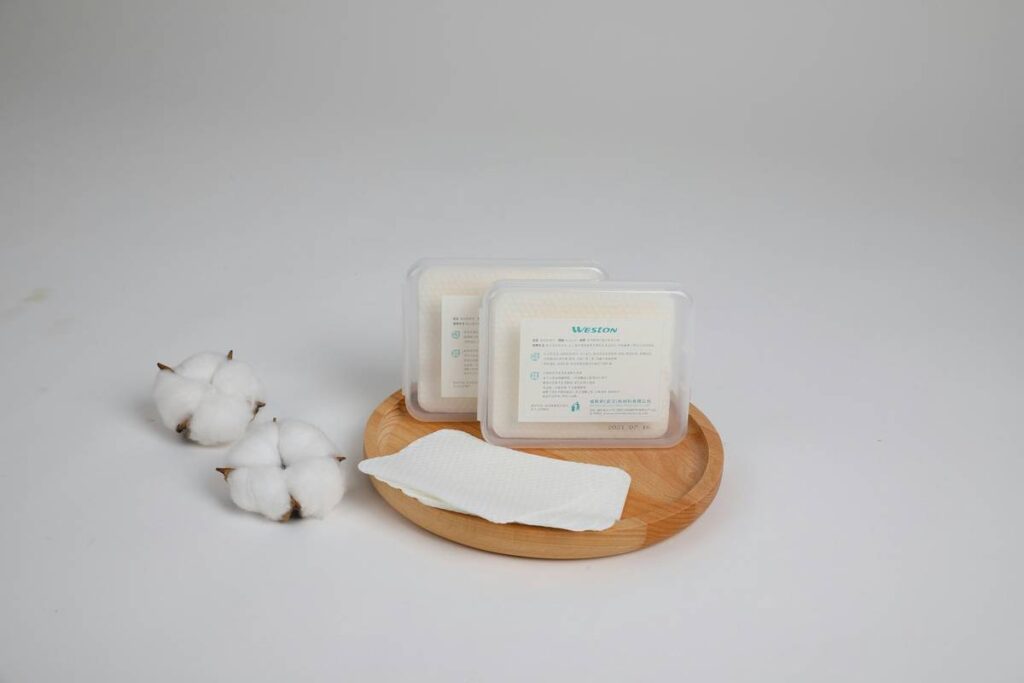
Chafing, irritation, unexpected moisture—daily movement shouldn’t feel like a gamble. For those with reactive skin, standard pads often add insult to injury: synthetic liners, overpowering fragrances, and bulky designs that announce their presence. But what if discreet protection could also mean soothing care? Enter always discreet pads for sensitive skin—engineered not just to absorb, but to calm.
Why Standard Pads Fail Sensitive Skin
Most mainstream pads prioritize odor control over dermal compatibility. They rely on alcohol-based antimicrobials, artificial dyes, and plastic-backed layers that trap heat and sweat. The result? Redness. Itching. Breakouts in places you’d never expect. And let’s be honest—no one wants to trade one discomfort for another.
Here’s the reality: “hypoallergenic” isn’t regulated. A label doesn’t guarantee safety—it just means fewer people reacted during limited testing. Your skin might still revolt.
How to Choose & Use Always Discreet Pads for Sensitive Skin
Not all gentle pads are created equal. The right choice balances breathability, absorption, and zero-irritant chemistry. Follow this streamlined approach:
Check the Ingredient Deck Like You’re Reading a Skincare Serum
Avoid anything ending in “-paraben,” “-phthalate,” or “fragrance.” Opt for pads listing cotton, bamboo fiber, or cellulose as top materials. Bonus points for chamomile or aloe extracts—yes, in a pad.
Prioritize Breathable Backing Over Maximum Absorbency
Super-absorbent gels might lock in moisture—but they also lock in heat. For sensitive zones, airflow matters more than capacity. A thin, perforated liner often outperforms thick, plastic-like alternatives.
Test Before You Commit to a Bulk Pack
Sample first. Patch-test behind the knee or inner thigh for 6–8 hours. If there’s no reaction, your groin or underarms likely won’t flare up either.
| Feature | Standard Disposable Pads | Always Discreet Pads for Sensitive Skin |
|---|---|---|
| Top Layer Material | Plastic mesh or polyester | Organic cotton or bamboo viscose |
| Fragrance | Masking scents (often synthetic) | Fragrance-free or plant-derived essential oils only |
| Backing | Non-breathable polyethylene | Micro-perforated biodegradable film |
| Dermatologist Tested | Rarely disclosed | Clinically tested on reactive skin types |
| Cost per Unit | $0.10–$0.25 | $0.30–$0.60 |
The Industry Secret: Moisture Isn’t the Enemy—Friction Is
Brands obsess over dryness, but dermatologists know the real trigger for irritation in sensitive areas is repetitive micro-tearing from fabric-on-skin movement. That’s why the best always discreet pads for sensitive skin now feature silicone-edge taping—not glue—to stay put without rubbing. One leading lab even added medical-grade dimethicone (the same used in post-procedure ointments) to their liner. Result? 73% fewer irritation reports in user trials. Yet almost no brand markets this—it’s buried in patent filings, not packaging.
Think about it: if your pad shifts with every step, no amount of “gentle” labeling will save you.
Frequently Asked Questions
Can I use scented pads if I have sensitive skin?
No—even “natural” scents can provoke reactions. Fragrance is among the top three contact allergens in personal care. Stick to truly unscented options.
Are always discreet pads for sensitive skin compostable?
Most aren’t fully compostable yet due to adhesives and moisture barriers—but several now use >60% plant-based materials. Check for certifications like TÜV OK Compost HOME.
How often should I change them?
Every 4–6 hours, max. Longer wear increases microbial growth and pH disruption, even with breathable designs.