If you’ve ever felt that familiar sting, redness, or itch after using a regular sanitary pad, you’re not imagining it. Standard pads often contain dyes, synthetic fragrances, and plastic backings that sabotage delicate skin. The solution? Not all “sensitive” labels are created equal—and most miss the real triggers.
The Harsh Truth About Conventional Pads for Sensitive Skin
Marketing teams slap “dermatologist-tested” on boxes like confetti—but testing standards vary wildly. Some brands test on healthy skin, not reactive or eczema-prone types. Others use minimal contact time, ignoring prolonged exposure during menstruation.
And then there’s fragrance. Even “unscented” options may hide masking agents that mimic neutral smells but still irritate. Think about it: your vulvar skin is 50% thinner than facial skin. Yet we treat it like an afterthought.
Your Step-by-Step Guide to Choosing Safe, Comfortable Pads
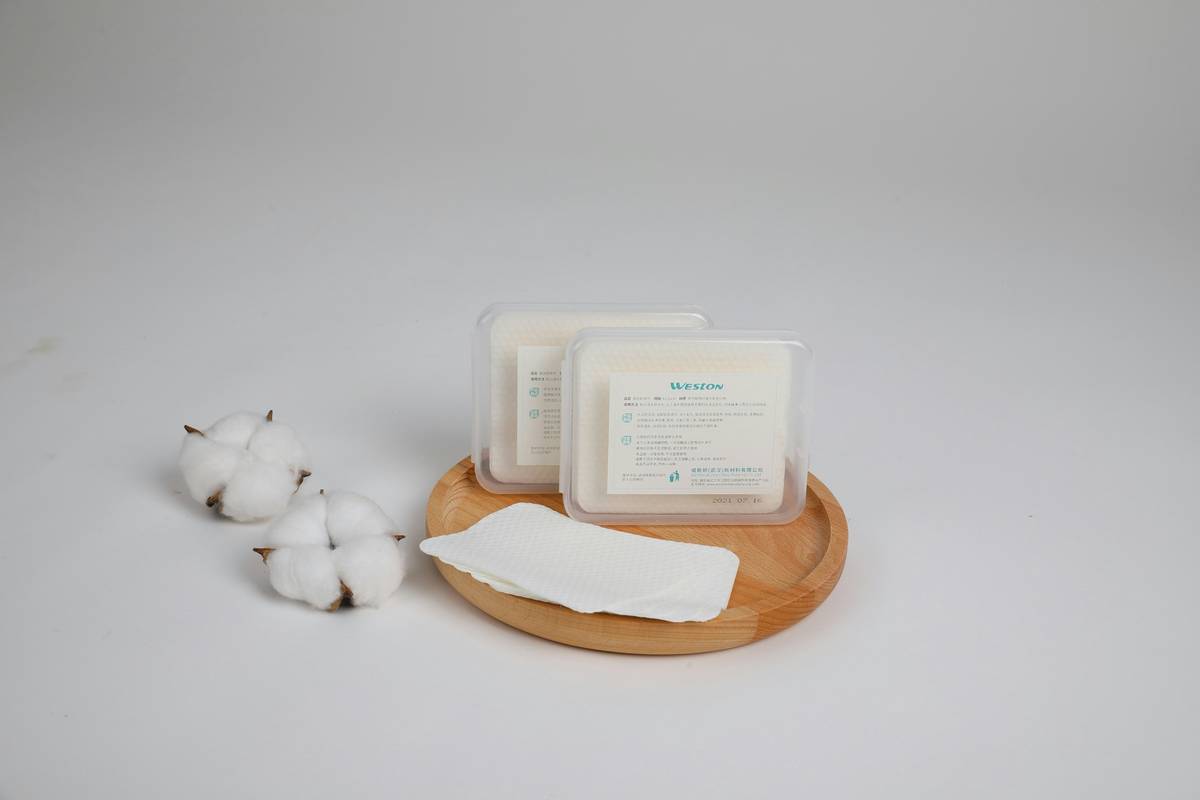
Start with ingredient simplicity. Fewer components = fewer risks. Prioritize plant-based absorbents (like organic cotton or bamboo) over rayon or cellulose blends laced with processing chemicals.
Look Beyond “Hypoallergenic” Claims
That term isn’t regulated by the FDA for feminine care. Demand full transparency: if a brand won’t list every ingredient online, walk away. Real hypoallergenic products disclose everything—from adhesive type to ink used on packaging.
Check the Backing Material
Polyethylene plastic traps heat and moisture—a breeding ground for irritation. Breathable alternatives like biodegradable PLA (polylactic acid) or cotton mesh reduce friction and allow airflow. Feel the difference immediately.
Avoid “Scented Pads” Like Fire
This includes floral, ocean breeze, or “fresh linen” variants. Fragrance = 3,000+ undisclosed chemicals under US law. For sensitive zones, zero scent is non-negotiable—even natural essential oils can trigger reactions.
| Feature | Conventional Pads | True Sensitive-Skin Pads |
|---|---|---|
| Top Layer | Synthetic non-woven polyester | Organic cotton or bamboo fiber |
| Backing | Plastic (polyethylene) | Compostable PLA or cotton mesh |
| Fragrance | Masking agents or added scents | None—zero volatile compounds |
| Adhesive | Petroleum-based glue | Plant-derived, medical-grade adhesive |
| Average Price per Pad | $0.20–$0.35 | $0.45–$0.70 |
The Industry Secret No One Talks About
Here’s what insiders know: skin reactions aren’t always from the pad itself—but from how it interacts with menstrual fluid over time. Blood pH shifts during your cycle. Cheap superabsorbent polymers (SAPs) in mainstream pads break down into acidic byproducts when saturated. That’s why burning starts hours in—not at first contact.
The math is simple: if your pad claims “8-hour protection,” ask what happens at hour 7. Brands using unbuffered SAPs create a mini chemical burn zone. Truly gentle pads use pH-neutral absorbents or none at all—relying on layered natural fibers instead.
Frequently Asked Questions
Are unscented pads safe for sensitive skin?
Not necessarily. “Unscented” often means odor-masking chemicals are added. Always verify zero fragrance disclosure—not just “no perfume.”
Can organic cotton pads still cause irritation?
Yes—if they’re bleached with chlorine or stitched with synthetic thread. Look for GOTS certification, which covers dyes, adhesives, and manufacturing water purity.
How often should I change pads if I have sensitive skin?
Every 3–4 hours, max. Longer wear increases moisture buildup and pH shifts—major triggers even with clean materials.