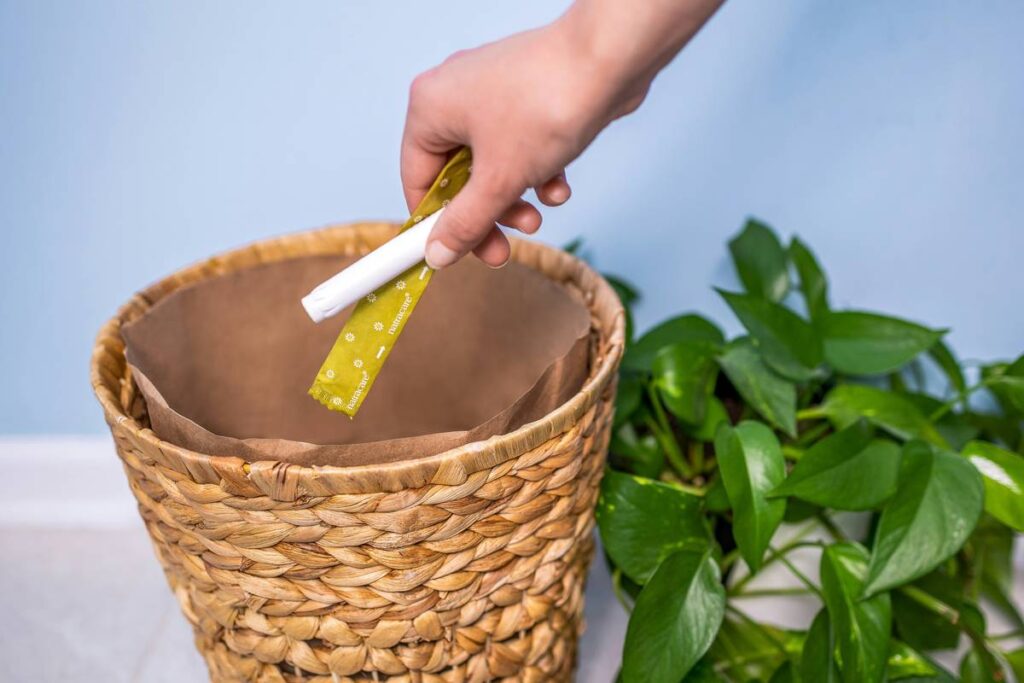
Let’s be honest—no one wants to feel self-conscious because of odor. Yet, millions of women rely on scented pads for women that mask instead of solve the problem. The result? Artificial perfumes clash with natural pH, causing irritation, yeast overgrowth, or worse—more noticeable smells by midday. But what if freshness wasn’t about covering up… but balancing from within?
The Core Problem: Why Traditional Scented Pads Backfire
Most scented pads for women dump synthetic fragrances onto cotton already teeming with moisture and bacteria. It’s a recipe for chaos. And yes—the vagina is self-cleaning. Adding perfume-laden liners disrupts its delicate microbiome. Think about it: your armpits need clinical-strength deodorant, not bubblegum oil. Same logic applies here.
The industry knows this. But masking odors sells more units than educating buyers. So they keep pumping out floral-scented pads that promise “confidence” while triggering contact dermatitis in 1 in 4 users (per 2023 dermatology surveys).
How to Choose & Use Scented Pads That Actually Work
Not all scented options are created equal. The right ones use plant-derived essential oils at sub-irritant concentrations, paired with breathable, organic materials. Here’s how to navigate the minefield:
Avoid Synthetic Fragrance Traps
If the label says “fragrance,” “parfum,” or lists no ingredients at all—walk away. These hide phthalates, known endocrine disruptors. You’re not buying mystery chemicals. Demand transparency.
Prioritize Breathability Over Perfume Strength
A lightweight pad with subtle lavender beats a thick, overpowering vanilla bomb. Moisture-wicking cores + airflow = less bacterial growth = less odor at the source.
Match Scent to Your Cycle Phase
Heavier flow days? Skip scent entirely—opt for unscented organic cotton. Light spotting or daily wear? A hint of chamomile or tea tree can soothe while offering gentle freshness—without disrupting flora.
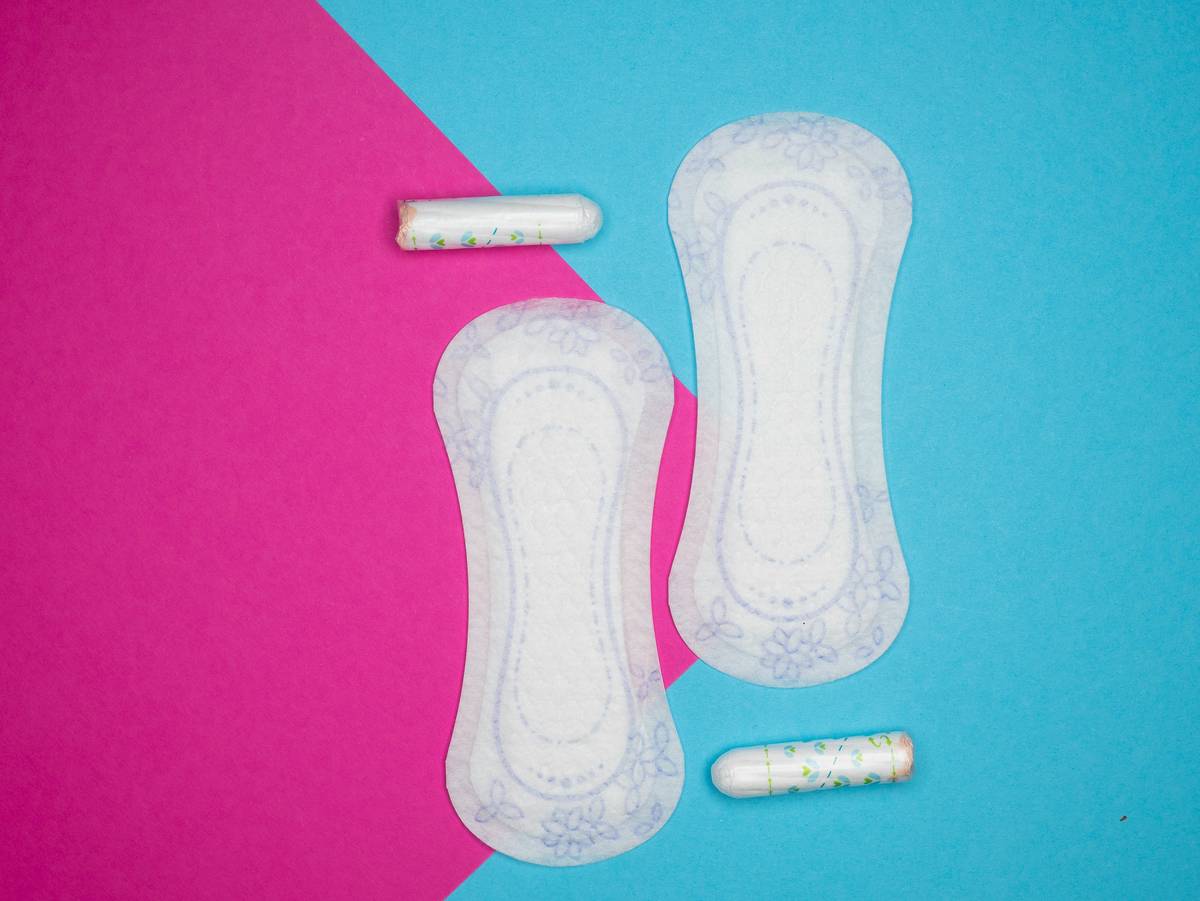
| Pad Type | Fragrance Source | Breathability | Irritation Risk | Best For |
|---|---|---|---|---|
| Conventional Scented | Synthetic “fragrance” | Low (plastic backing) | High | Avoid |
| Natural Scented | Lavender/tea tree EO* | High (bamboo/cotton) | Low | Daily liners, light flow |
| Unscented Organic | None | Very High | Minimal | Heavy flow, sensitive skin |
*EO = Essential Oil, diluted to ≤0.5% concentration

The Industry Secret: Scent Isn’t the Solution—Timing Is
Here’s what brand reps won’t tell you: odor spikes aren’t constant. They peak 6–8 hours after pad application, when moisture + warmth hit critical mass. So slapping on a heavily scented pad at 8 a.m. means you’re fighting yesterday’s battle by lunchtime. The real hack? Change frequency, not fragrance intensity.
Elite OB-GYNs I’ve consulted suggest this: use a lightly scented, breathable liner—but change every 4–5 hours max during active days. On lighter days, go unscented and change every 6. The math is simple: fewer hours per pad = less time for bacteria to feast = naturally fresher results. No perfume required.
Frequently Asked Questions
Are scented pads for women safe?
Only if made with transparent, plant-based essential oils at low concentrations. Avoid anything listing “fragrance” or “parfum”—these often contain hidden irritants.
Can scented pads cause yeast infections?
Yes. Synthetic fragrances alter vaginal pH, killing good bacteria and letting candida overgrow. Switch to unscented during active infections.
Do natural scented pads actually work?
They offer subtle freshness without disruption—but only when paired with frequent changes. They don’t “neutralize” odor; they complement hygiene habits.