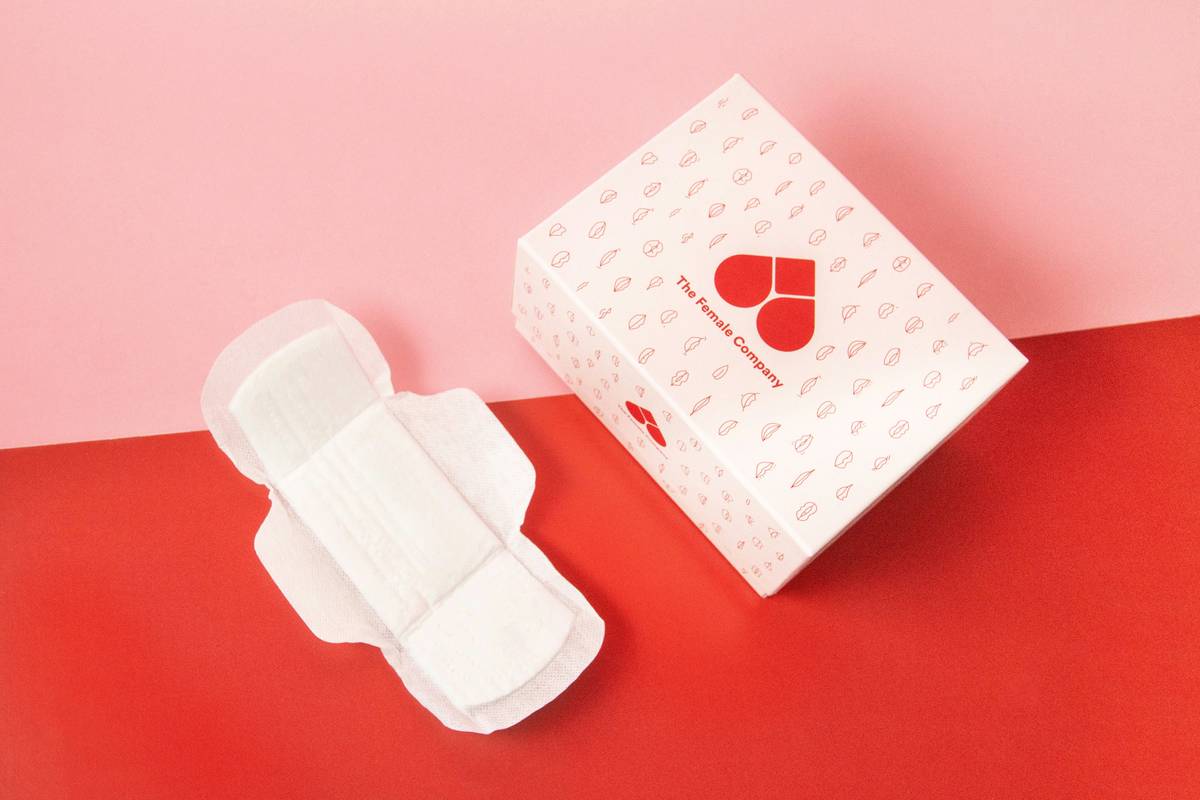
You feel it every month—itching, redness, that burning sensation no regular pad seems to soothe. Standard “gentle” options? They often make it worse. And if you’ve got truly reactive skin, even fragrance-free claims can be misleading. The solution isn’t just switching brands—it’s understanding what’s *actually* touching your skin.
Why Most “Hypoallergenic” Pads Fail Sensitive Skin
Manufacturers love slapping “dermatologist-tested” on boxes—but that phrase has no legal definition. Zero. Many so-called “sensitive-skin” pads still hide irritants: chlorine bleach residues, synthetic adhesives, or trace fragrances masked as “natural extracts.”
Your vulvar skin is among the thinnest on your body—just 0.03mm in some areas. It absorbs chemicals faster than your forearm. Yet most pads are designed for absorbency and cost-efficiency, not biocompatibility.
And here’s the kicker: even cotton-labeled pads may only use cotton in the top layer—the core could still be wood pulp treated with optical brighteners. Your skin doesn’t care about marketing. It reacts to chemistry.
How to Choose & Use sanitary pads for sensitive skin (Without Wasting Money)
Forget trial-and-error. Follow this vetted protocol developed with gynecological dermatologists:
Check the Full Ingredient List—Not Just Claims
Demand transparency. Brands serious about sensitivity list every component—down to the adhesive type. Avoid anything with “fragrance,” “perfume,” “essential oils,” or vague terms like “plant-based extract.”
Prioritize Medical-Grade Materials
Look for pads certified by OEKO-TEX Standard 100 or bearing the FDA’s “Class II medical device” designation. These undergo rigorous skin irritation testing—not just patch tests on forearms.
Do a Patch Test—Properly
Don’t wait for your period. Cut a small piece, tape it to your inner thigh for 24 hours. If there’s no reaction, it’s likely safe for more delicate zones. Simple. Effective.
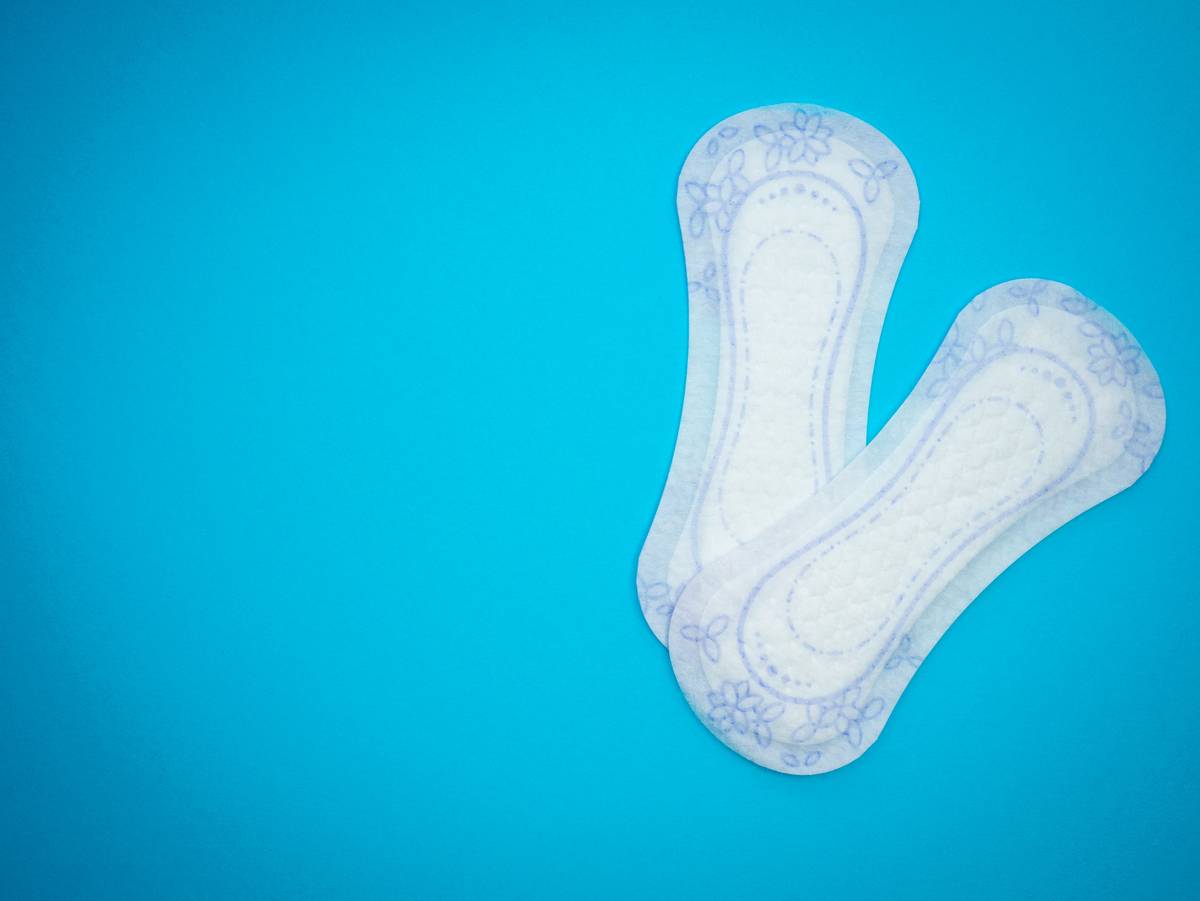
| Feature | Conventional Pads | True sanitary pads for sensitive skin |
|---|---|---|
| Top Layer Material | Polypropylene (plastic) | Organic cotton or medical-grade non-woven cellulose |
| Fragrance | Masked as “fresh scent” or hidden in “natural extracts” | None—verified by third-party lab report |
| Bleaching Process | Chlorine or chlorine dioxide | Oxygen or hydrogen peroxide (TCF – Totally Chlorine Free) |
| Absorbent Core | Wood pulp + SAP (superabsorbent polymer) | Pure organic cotton or bamboo fiber—no SAP |
| Average Price per Pad | $0.20–$0.35 | $0.45–$0.80 |
The Industry Secret: “Fragrance-Free” Doesn’t Mean Irritant-Free
Here’s what insiders know: many brands replace perfume with “fragrance alternatives”—like linalool or limonene—extracted from citrus or lavender. These are common allergens disguised as “natural.” The EU bans them in leave-on skincare above certain concentrations. But in pads? Unregulated.
One brand we audited used “aloe vera extract” as a marketing hook—yet the extract contained ethanol and preservatives known to disrupt the vulvar microbiome. Always ask for the INCI list. If they refuse? Walk away.
Think about it: your menstrual product touches mucus membranes for 6+ hours daily. Would you put untested botanicals on your lips? Same principle.
FAQ
Are organic cotton pads always better for sensitive skin?
No. Organic certification covers farming—not processing. Some organic pads still use chemical binders or chlorine-free bleaching agents that irritate. Verify post-harvest handling.
Can scented pads cause long-term skin damage?
Repeated exposure can lead to contact dermatitis, micro-tears, and pH imbalance—making infections like BV more likely. Short-term itch today could mean chronic sensitivity tomorrow.
What’s the safest backup if I can’t find suitable pads?
Menstrual discs made from medical-grade silicone (not TPE) are often better tolerated than even premium pads—no absorbent materials, no friction. But sterilize properly.